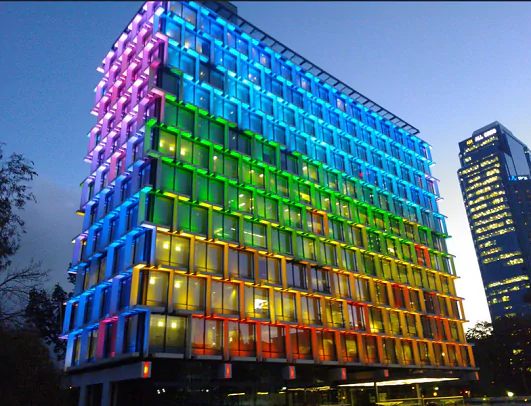
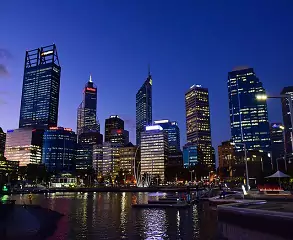
Learn About The Council
The City Of Perth is one of the prime reasons for the capital’s growth development and achievement.
It is the local government body that offer a wide range of facilities and services to the residents and stakeholders like commercial businesses, retailers, workers, and visitors under the Local Government Act 1995. The council consists of the Lord Mayor and elected members.
The residential population of Perth is diverse in its culture, family structures and household. This contributes to an interesting and empowering community. The city attracts approx 205,750 visitors and workers to the CBD and more than 25,000 to the University of Western Australia. The city’s resident population is predicted to grow to 50,000 by 2050 along with 16,000 new dwellings over the next 34 years. Perth plays a vital role in contributing to the economic growth and high quality of life.
Through the services of the Council you can do the following.
- Discover what’s going on in the city
- Use the library
- Make an online payment
- Learn about the council’s agendas and meetings
- Report an issue
- Learn about road closures, grants, sponsorships, waste and cleaning
- Provide community services and facilities
The City of Perth takes care of various aspects like communities, neighbourhoods, locals, tourists, businesses, permits, licenses, and much more. So, whatever issues you face while in the city, the council can help resolve them and take care of your needs while you live or visit here.
Our focus is to assist you discover everything about the City of Perth, its culture, culinary delights, art scene, government schemes, grants, residential property market, neighbourhood and much more.